Providing quality, affordable housing solutions and promoting sustainable human settlements across Mutare Rural District.
The Housing Provision Department of Mutare Rural District Council is committed to ensuring all residents have access to adequate, affordable housing through various programs including housing development, site servicing, and housing finance facilitation.

Housing Development
Planning and implementation of housing projects including low-cost housing, medium-density units, and site-and-service schemes.
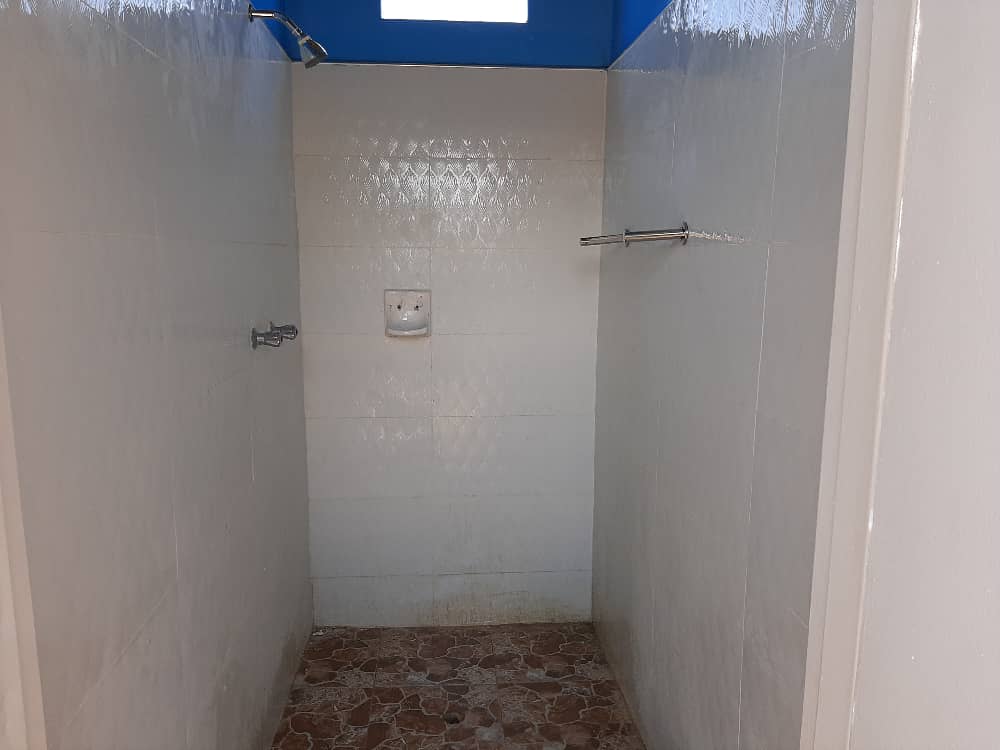
Stand Servicing
Provision of fully serviced residential stands with water, sanitation, roads, and electricity infrastructure.
Housing Finance Facilitation
Assisting residents to access housing finance through partnerships with financial institutions and housing microfinance programs.
Our Approach
Our housing programs follow an integrated approach that combines infrastructure development, community participation, and sustainable building practices to create livable, resilient communities.
Participatory Planning
Engaging communities in the planning and design of housing projects to ensure they meet local needs and preferences.
Sustainable Building
Promoting the use of locally available, environmentally friendly building materials and energy-efficient designs.
Incremental Housing
Supporting incremental building approaches that allow households to improve their homes over time as resources become available.
Housing Impact Statistics
2,500+
Housing Units Delivered
5,000+
Serviced Stands Provided
18
Wards with Housing Projects
75%
Affordable Housing Target
Housing Application Process
1 Application Submission: Complete the housing application form available at council offices or download from our website.
2 Documentation: Submit required documents including proof of identity, income statements, and household details.
3 Verification: Council verifies application details and conducts eligibility assessment.
4 Waiting List: Eligible applicants are placed on a waiting list for available housing opportunities.
5 Allocation: Successful applicants are notified and housing units or stands are allocated based on availability.
Current Housing Projects
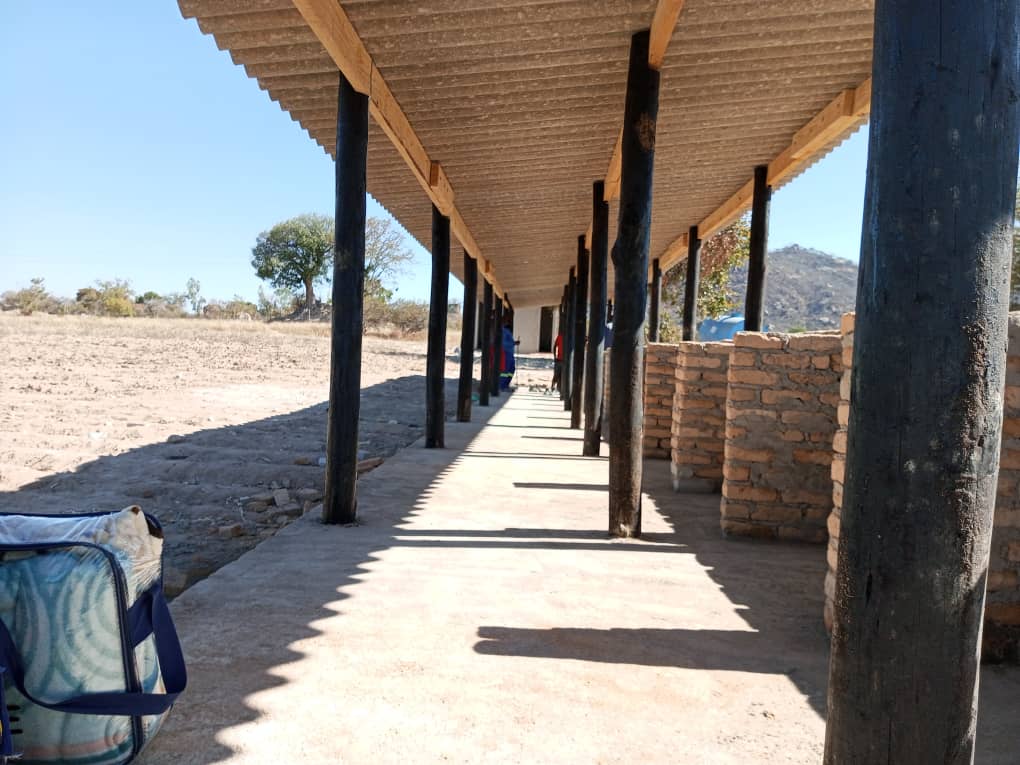
Chikanga Extension Low-Cost Housing
Location: Ward 15, Mutare Rural
Scope: Construction of 250 low-cost housing units with basic services
Target Group: Low-income families earning below $300/month
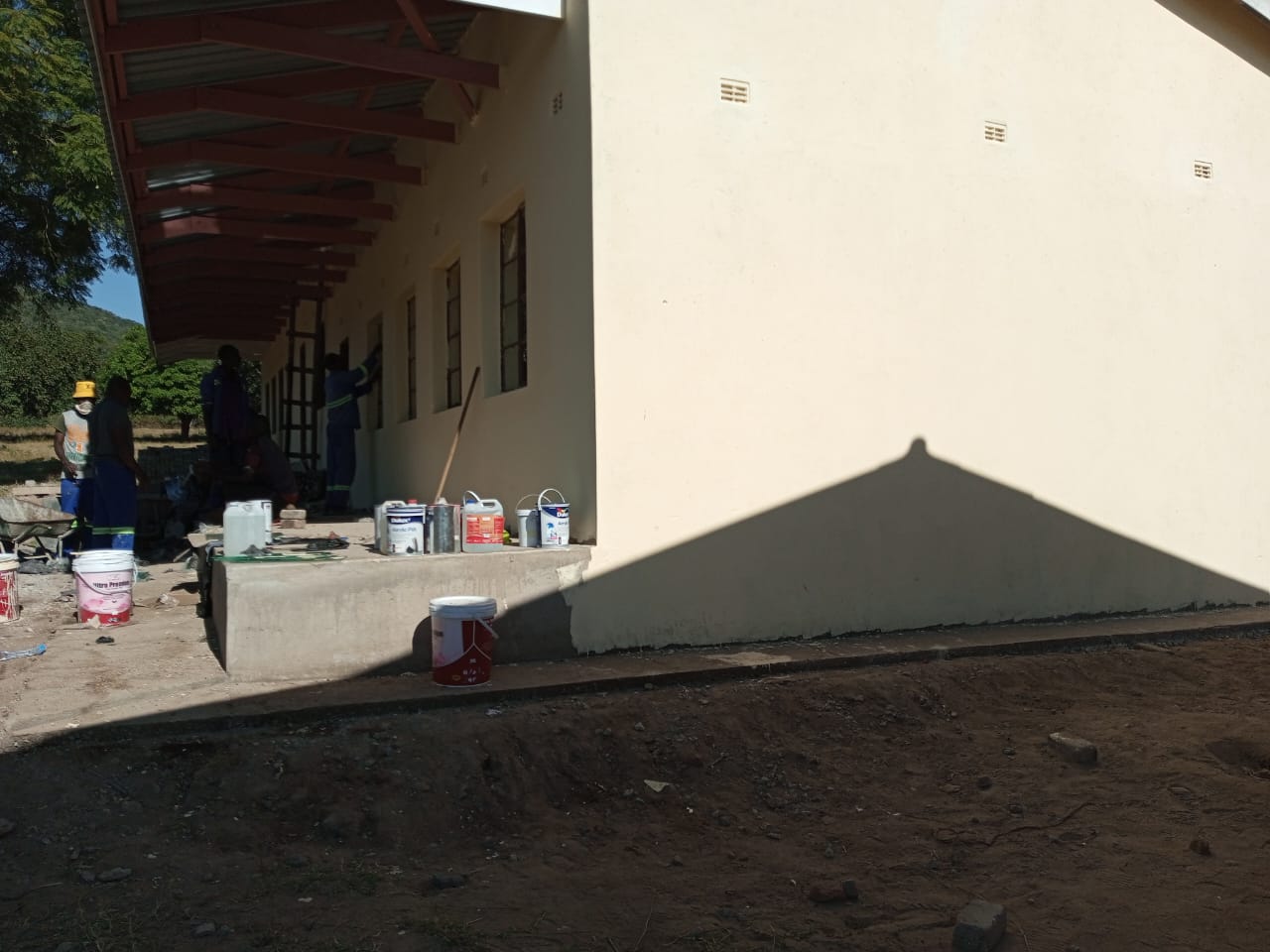
Dangamvura Site-and-Service Scheme
Location: Wards 8, 12, 17
Scope: Servicing of 500 residential stands with water, roads, and electricity
Status: Infrastructure development 70% complete
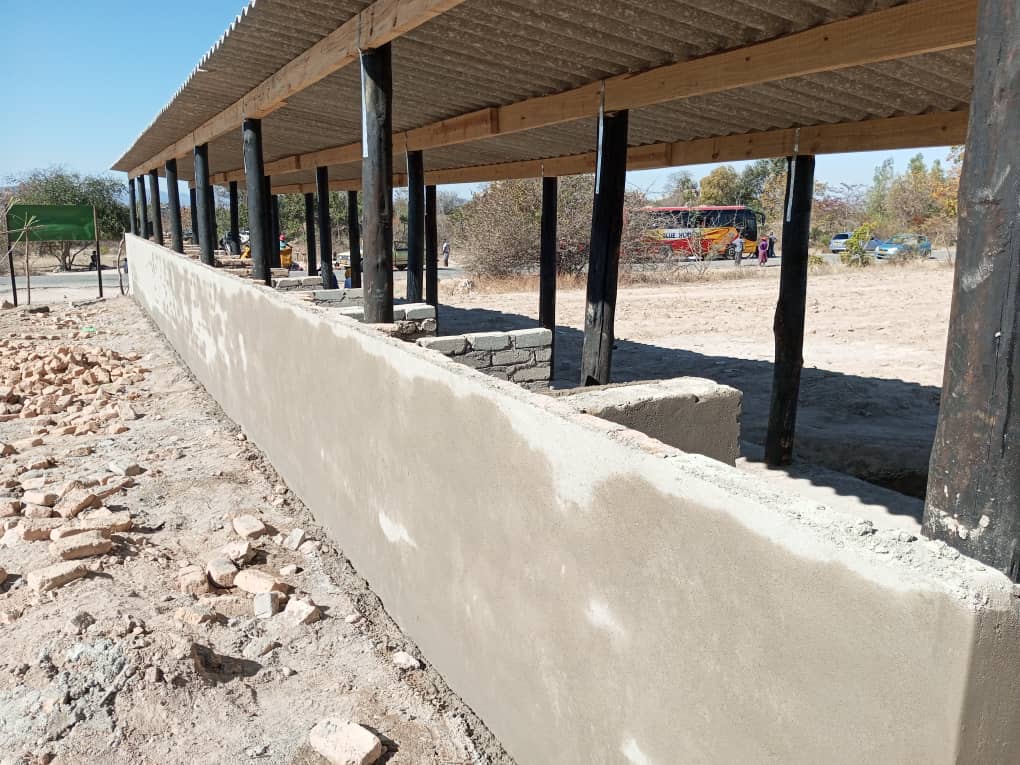
Informal Settlement Upgrade Program
Location: 8 informal settlements across district
Scope: In-situ upgrading of informal settlements with tenure regularization and basic services
Beneficiaries: 1,200 households
Housing Services FAQs
- Who is eligible for council housing programs?
- What documents are required for housing application?
- How are housing units allocated?
- What payment options are available?