Improving community health and wellbeing through sustainable Water, Sanitation, and Hygiene initiatives across Mutare Rural District.
The W.A.S.H (Water, Sanitation, and Hygiene) Projects Department of Mutare Rural District Council is dedicated to providing sustainable access to clean water, adequate sanitation, and promoting hygiene practices to improve public health and quality of life for all residents.
Water Supply Projects
Development of sustainable water sources including boreholes, wells, and piped water systems to ensure access to clean drinking water.
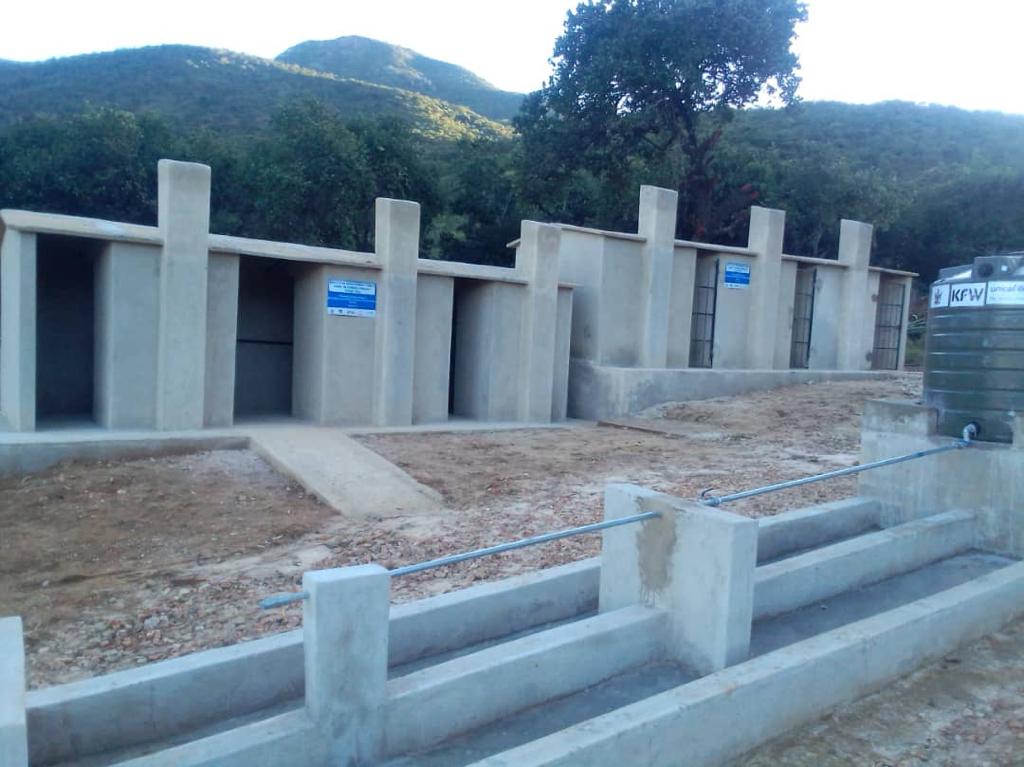
Sanitation Facilities
Construction of improved sanitation facilities including household toilets, school latrines, and community sanitation blocks.
Hygiene Promotion
Community education and behavior change programs to promote proper hygiene practices and prevent waterborne diseases.
Project Approach
Our W.A.S.H projects follow a community-led approach, ensuring sustainability and ownership through active participation and capacity building.
Community Participation
Engaging communities in planning, implementation, and maintenance of W.A.S.H facilities.
Sustainable Solutions
Implementing technologies and approaches that ensure long-term functionality and maintenance.
Gender Inclusion
Ensuring women and girls are involved in decision-making and benefit from W.A.S.H interventions.
W.A.S.H Impact Statistics
15,000+
People with improved water access
2,500+
Households with sanitation facilities
35
Schools with W.A.S.H facilities
85%
Reduction in waterborne diseases
Hygiene Promotion Tip
Practice proper handwashing: Use soap and clean water, scrub for 20 seconds, and dry with a clean towel. Handwashing at critical times (after toilet use, before eating) can prevent up to 45% of diarrheal diseases.
Current W.A.S.H Projects
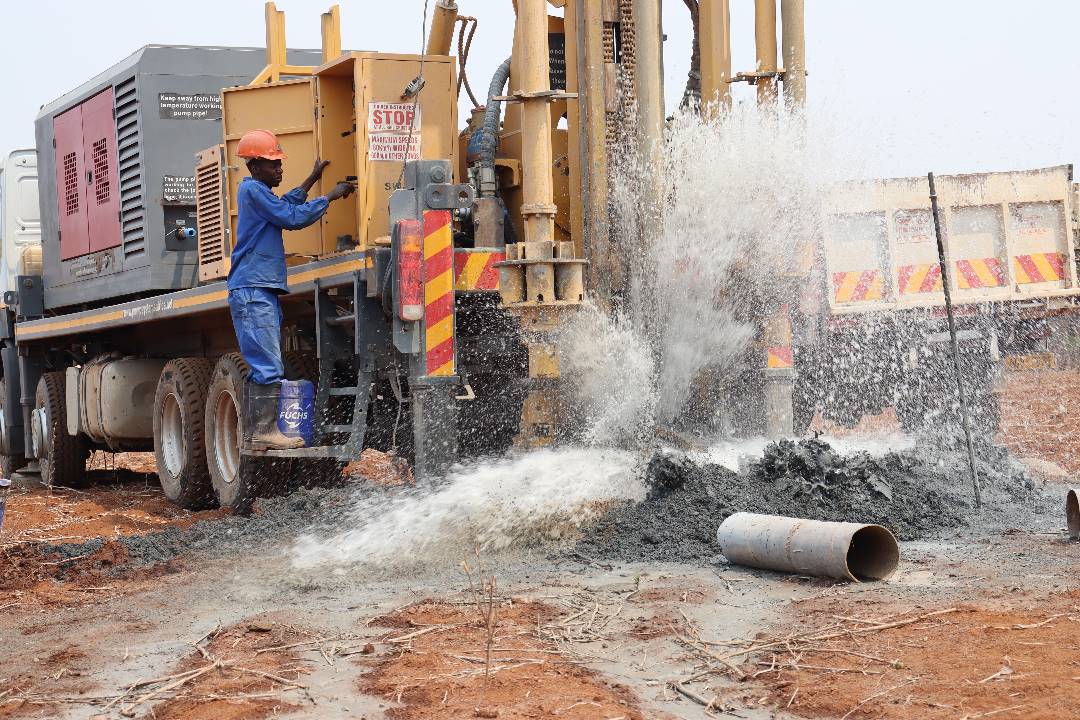
Community Borehole Rehabilitation
Location: Wards 5, 12, 18, 24
Scope: Repair and upgrade of 15 non-functional boreholes
Beneficiaries: 3,000+ residents across 4 wards
School Sanitation Improvement
Location: 12 Primary Schools across district
Scope: Construction of gender-separated latrines and handwashing stations
Beneficiaries: 4,500+ students and teachers
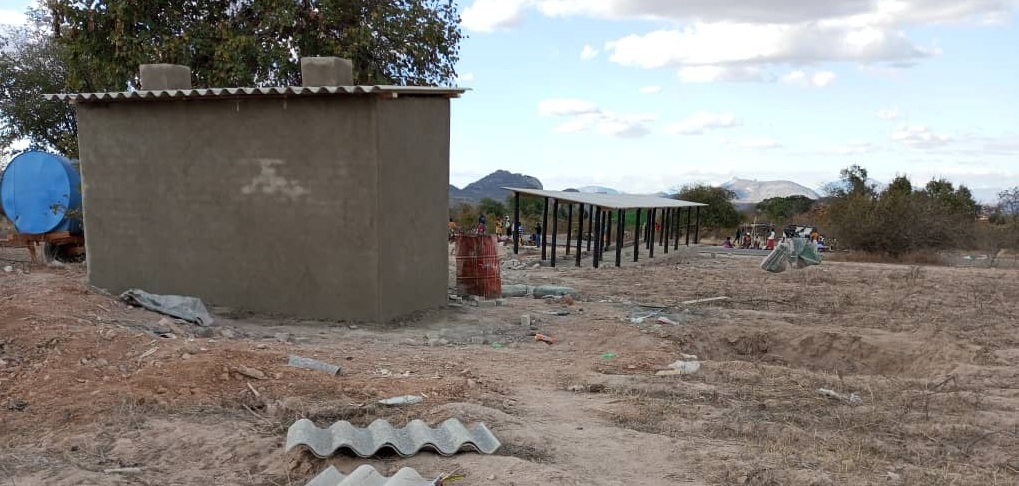
Community Hygiene Promotion
Location: All 36 wards
Scope: Hygiene education and behavior change communication
Status: Ongoing monthly sessions
W.A.S.H Projects FAQs
- How can my community request W.A.S.H projects?
- What is the process for borehole installation?
- How are communities involved in W.A.S.H projects?
- What maintenance support is provided after project completion?